
Algal blooms
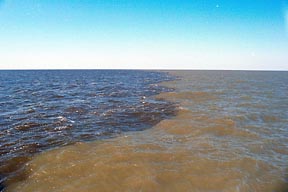
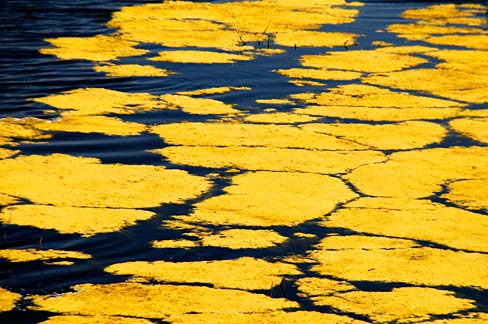
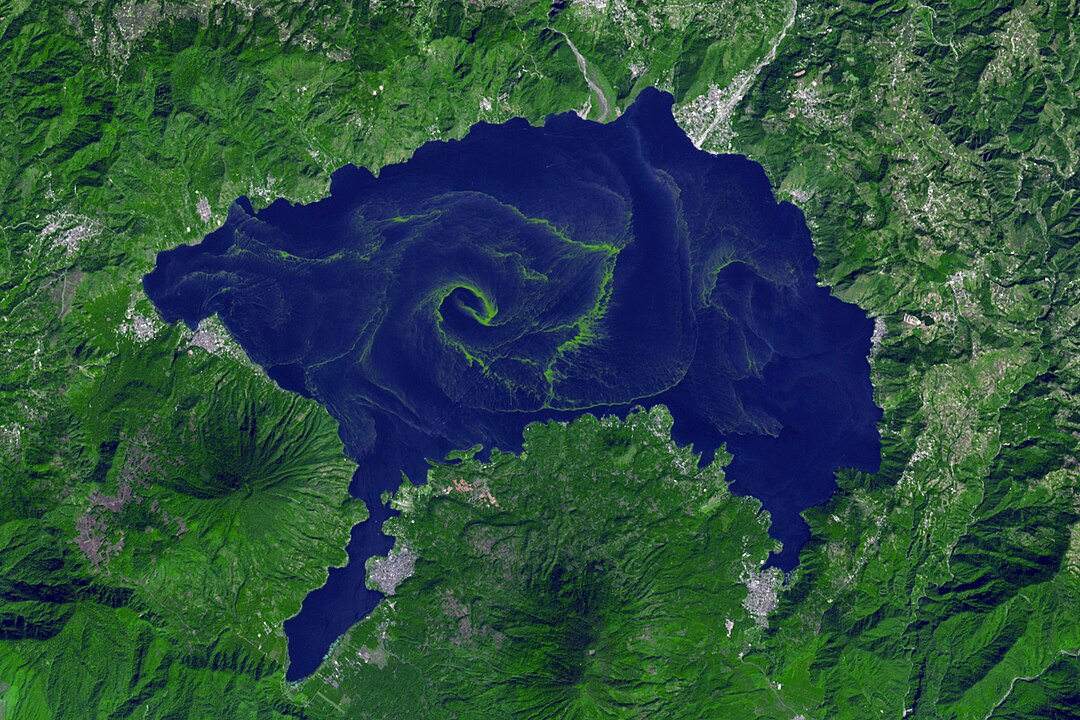
An algal bloom is a rapid increase in the population of algae in fresh water or marine water systems. It is often recognized by the discoloration in the water from the algae's pigments. The term algae encompasses many types of aquatic photosynthetic organisms, both macroscopic multicellular organisms like kelp and microscopic unicellular organisms like cyanobacteria. Depending on the species involved, some algal blooms may exude toxic substances.
The Misplaced
Characteristics
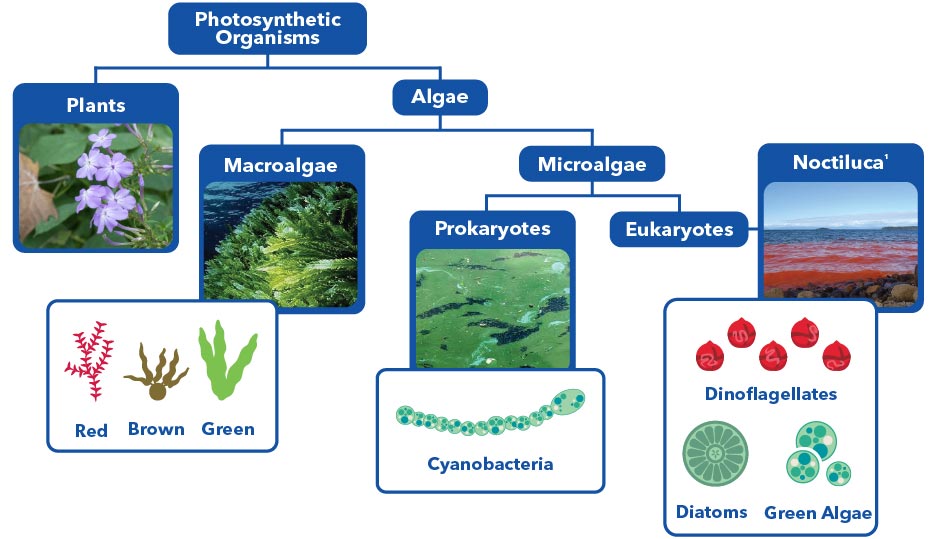
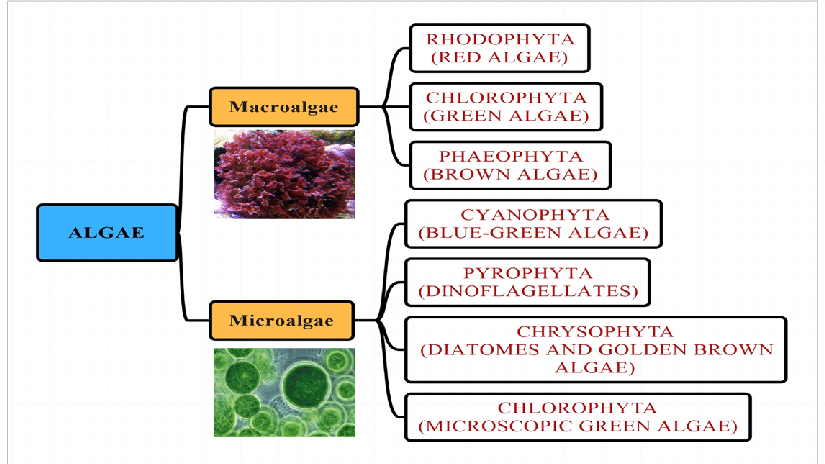
Algae are surprisingly difficult to define exactly as the term (often used synonymously with seaweed in marine settings) covers a wide range of organisms in different evolutionary groupings. They are found worldwide in seas, lakes, rivers, ponds - any body of water.
What they have in common is
- possession of some mechanism for photosynthesis
- the need for an aquatic environment with adequate access to sunlight
- the need for a supply of essential nutrients for cell building e.g.
But algae are not plants as they lack tissue differentiation into stem, roots and leaves, and their photosynthetic pigments come in many colours beside green
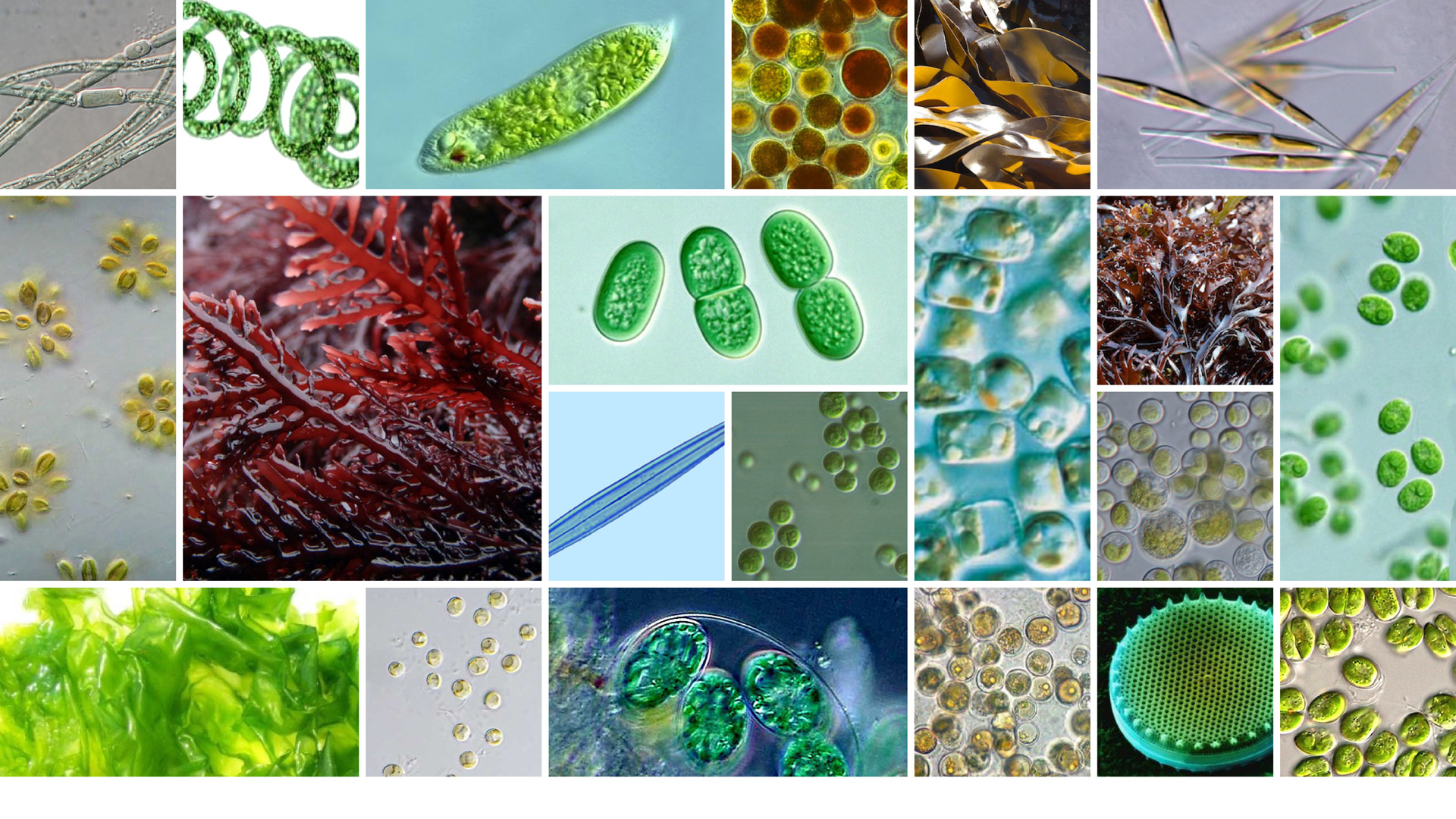
They may be red, brown, golden, pink, blue-green.

Algae are critical elements of ecosystems because they produce large quantities of oxygen and are the basis of most aquatic food webs. Numbers are usually kept in check through herbivores, plus limiting factors such as
- temperature - higher temperatures promote growth rates
- acidity
- salinity
- large-scale water movements which can disperse blooms
- the supply of nutrients needed for cell production
The Displaced
Case Study - South Australian Coast
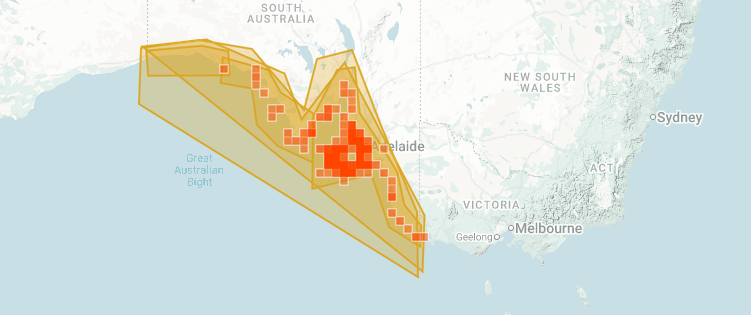
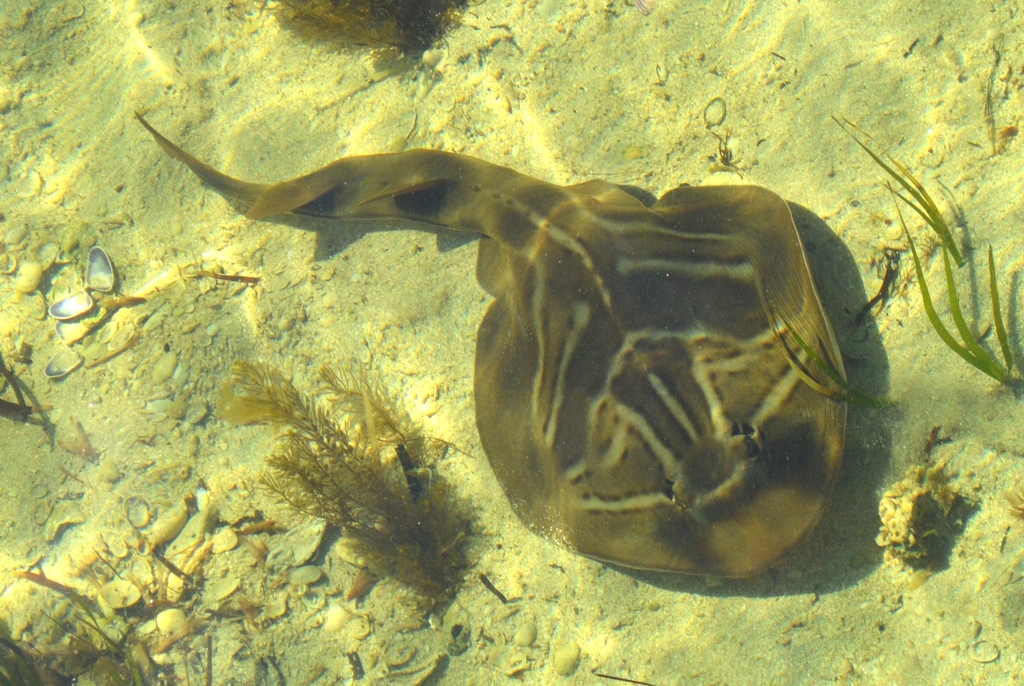
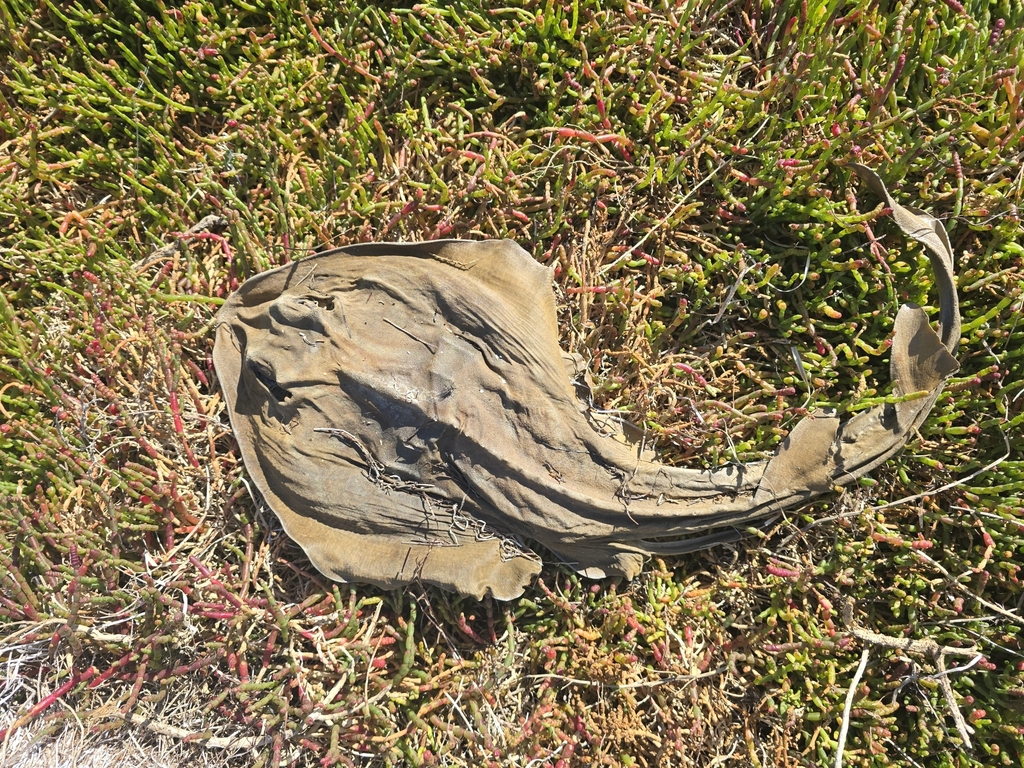
A mixture of algae dominated by Karenia mikimotoi has caused an algal bloom which has resulted in the death of many thousands of sea creatures on the coast of South Australia. The region under attack is 4400 km long and extends to a depth of 30m. The attack has been on-going since March 2025.


Case study - Mediterranean Sea
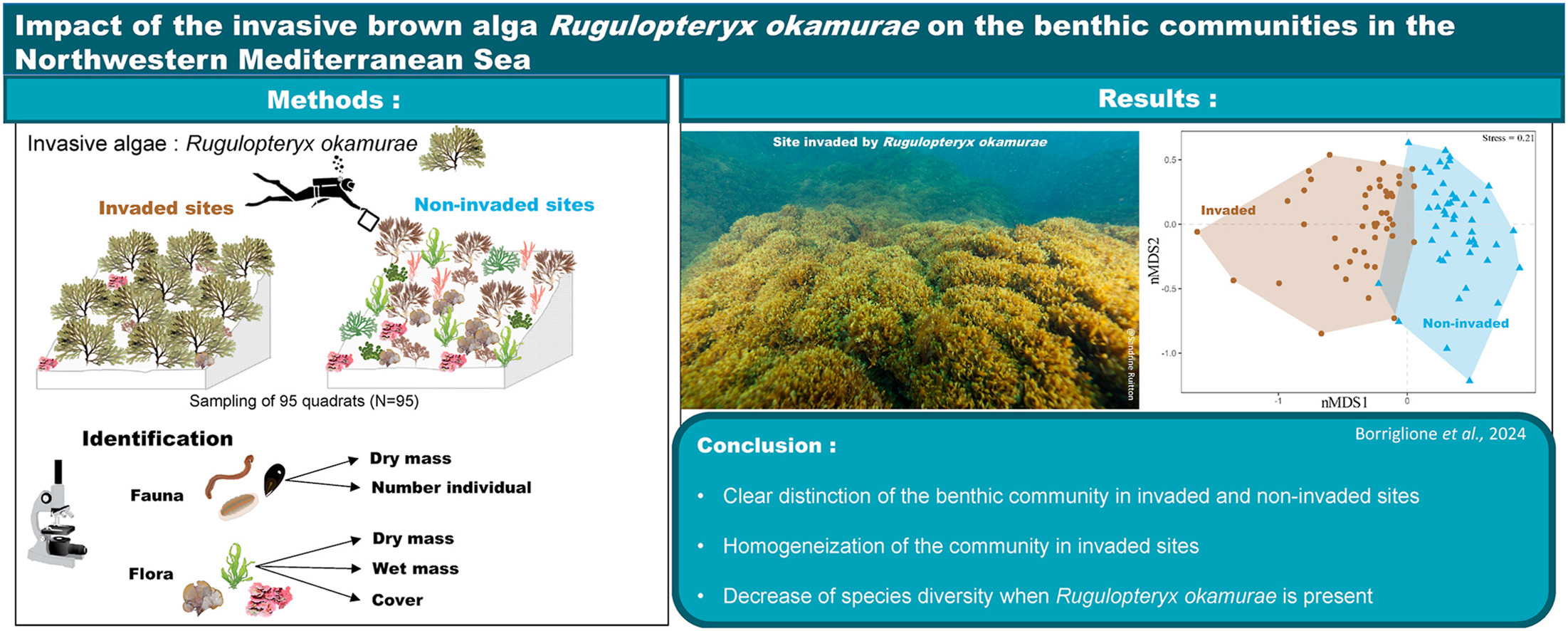
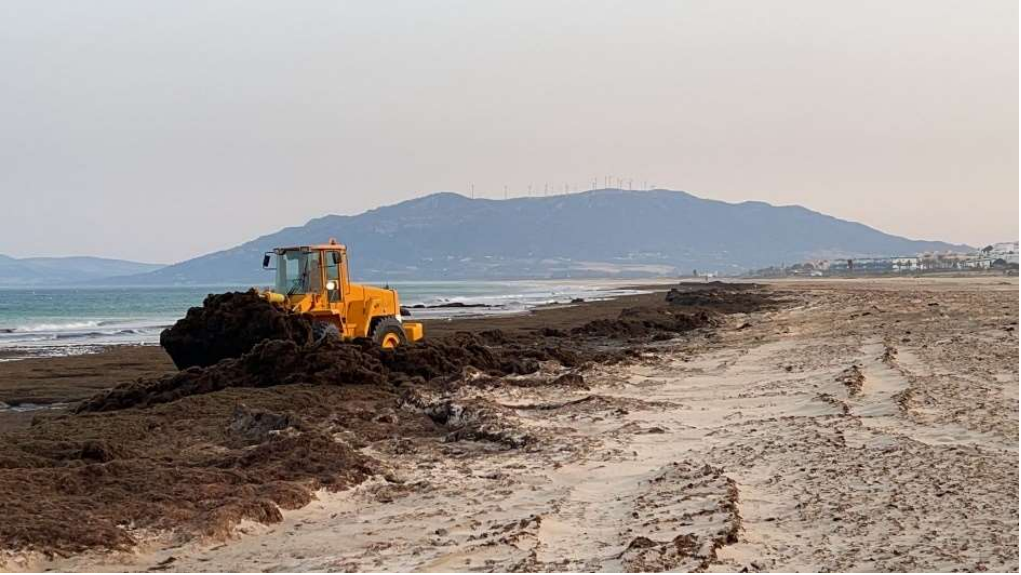
What washes ashore is a fraction of what is underwater.
according to Juan José Vergara, a professor of biology at the University of Cádiz.
One suggested disposal method is to recycle seaweed into drinks containers or to use as fuel and fertiliser, but officials think that would not be useful give the size of the bloom
The Consequences
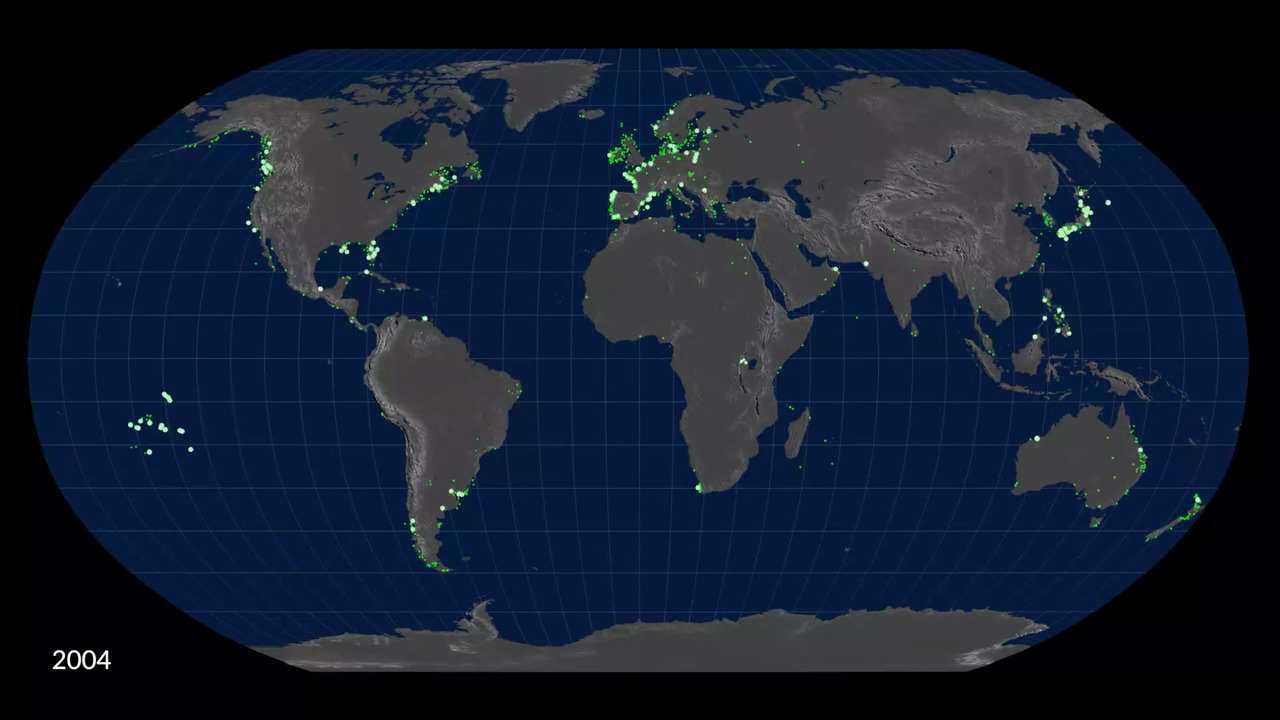
Algal blooms have occurred in many places in the world with increasing frequency. Some are short lived but others have persisted for months, depending on the species involved and the circumstances.
In the absence of limiting factors, algae can experience exponential growth which can lead to algal blooms. The availability of essential nutrients such as nitrogen and phosphorus control the populations of algae in the water and keeps the numbers of organisms in balance. If there is an influx of nutrients, for example from agricultural waste products such as nitrogenous fertilisers washing into the system, then the reproductive potential of the algae produces a greater population than the system can support in a stable state. The South Australia case study on the 2025 algal bloom as described below, is one example of the destruction wrought by out of control growth of a single element present in an ecosystem -- in this case, microscopic algae from the genus Karenia:
Globally, there is increasing research evidence showing how Karenia dinoflagellates of several species cause widespread death of marine life, in many ways. This includes harmful effects of the bloom cell concentrations in the seawater; the reactions of marine species to the whole cells when they enter the gills or other parts of the body; disruption of oxygen pathways; the physiological impacts that can occur - such as damage of gills and other tissues, and immune reaction to the presence of the cells and their toxins; internal cell damage in the body (including haemorrhaging from red blood cell rupture), and, over the longer term, bioaccumulation up the food chain from concentrations of Karenia toxins in organs.
Quote from South Australia's Harmful Algal Bloom




Stopping the spread
According to a study "Management priorities for marine invasive species", a group of experts in this field suggested the following list of responses to algal blooms in marine settings
- Action 1: Physically (mechanically) remove the species.
- Action 2: Rehabilitate the environment (e.g. protect and/or restore marine areas).
- Action 3: Encourage the targeted removal and commercial and/or recreational utilization of dead specimens (trading live specimens for use in aquaria is not included).
- Action 4: Deploy biocides in the sea, tactically applied.
- Action 5: Promote native consumers (predators or grazers) that feed on the invasive species (e.g. by restocking predator populations).
- Action 6: Encourage native diseases and/or parasites that affect the invasive population.
- Action 7: Apply biological control, using alien parasites and/or diseases.
- Action 8: Apply biological control, using alien consumers (predators or grazers).
- Action 9: Apply genetic approaches that affect only the invasive.
- Action 10: Education and public awareness.
- Action 11: Do nothing.
The order of priorities would be determined by the species involved and the individual circumstances of each situation.
The group of experts then highlighted the following points
- None of the actions was considered ideal for the management of invasive species.
- Public awareness and commercial use of invasive species were highly prioritized.
- Biological control actions were considered the least applicable.
- “Doing nothing” ranked high but should be considered with great caution.

This lithograph showing named species of 41 marine algae was created for an encyclopedia published over 120 years ago. Only macroscopic specimens are included. It is thought that there are, in fact, over 50,000 species.

Updates
2026, January
Scientists warn of ‘regime shift’ as seaweed blooms expand worldwide
Over the past two decades, seaweed blooms have expanded by a staggering 13.4% a year in the tropical Atlantic and western Pacific, with the most dramatic increases occurring after 2008, according to researchers at the University of South Florida.
2026, July
The report on the the marine algal bloom in South Australia (see abve) has finally been release according to the Australian Broadcasting Commission.
Summary
The report concludes there were three major contributing factors that triggered the ideal conditions for the bloom to develop, including floodwater, a coastal upwelling and a marine heatwave.
https://www.abc.net.au/news/2026-07-24/report-into-sa-algal-bloom-crisis/106954524
As the article points out, there has been discussion of the time delay of the release, and some scientific disagreement about the accuracy of the findings. The article links to the actual official public report and to some of controversies involved.
Dig Deeper
- Algal Blooms
- Great Southern Reef Foundation
- SA Marine Mortality events 2025-2026
- Stripped of life: the deadly South Australian algal bloom is still spreading one year on
- South Australia’s algal bloom crisis: a warning we can’t ignore
- ‘Like an underwater bushfire’: SA’s marine algal bloom is still killing almost everything in its path
- The Use of Invasive Algae Species as a Source of Secondary Metabolites and Biological Activities: Spain as Case-Study
- Thousands of tons of invasive seaweed ‘overwhelming’ Spanish beaches
- Impact of the invasive brown alga Rugulopteryx okamurae on the benthic communities in the Northwestern Mediterranean Sea
- AlgaeBase